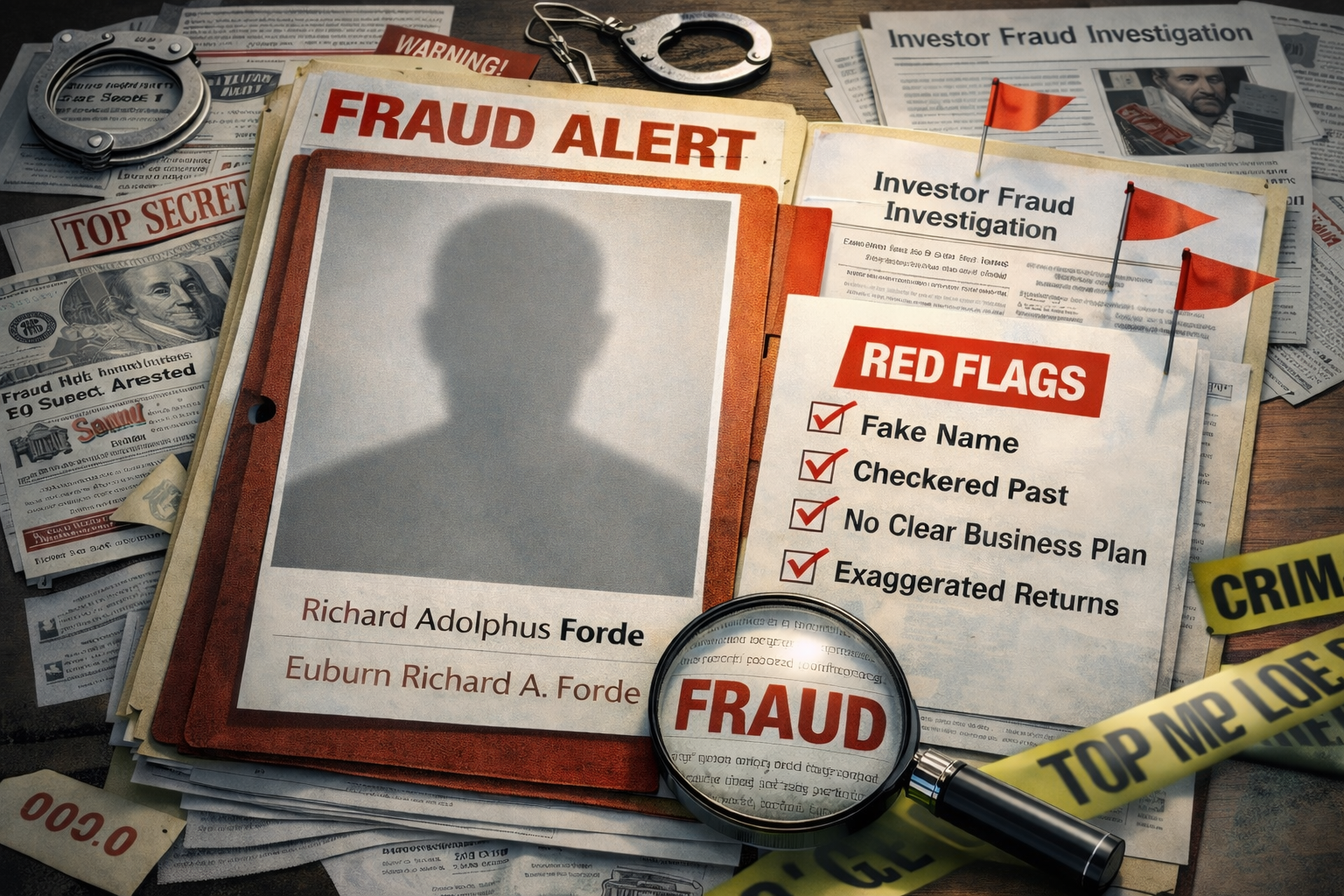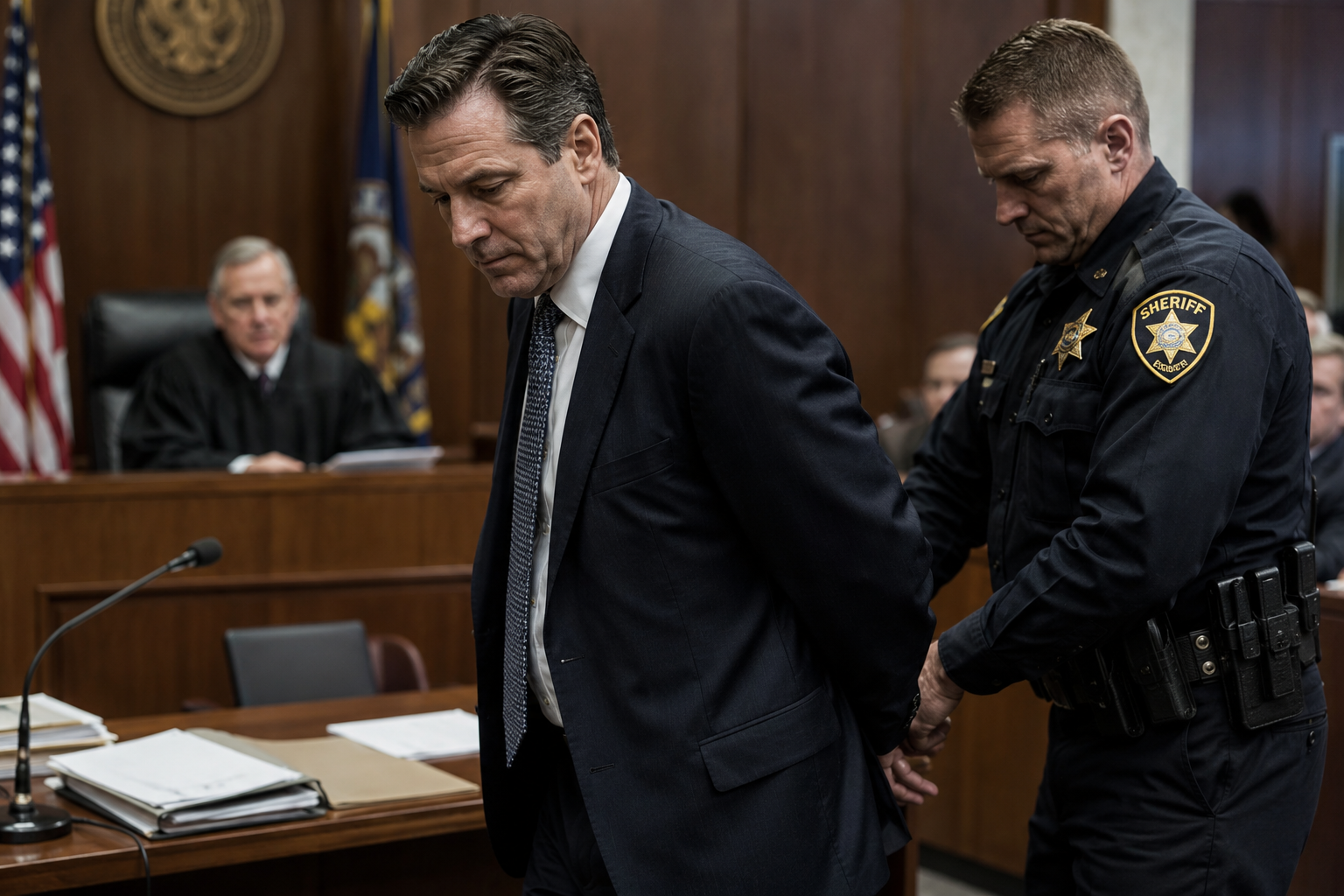
Non-disclosure agreements (NDAs) serve legitimate business purposes. They help protect trade secrets, proprietary technology, customer information, and confidential business strategies. Every day, attorneys across the United States draft and enforce NDAs as part of ordinary legal practice.
But an important legal question arises when an NDA is used not to protect legitimate confidential information, but to suppress evidence of fraud, securities violations, or other unlawful conduct.
Can attorneys face liability for helping enforce such agreements?
The answer is more nuanced than many people realize.
Attorneys Are Generally Allowed to Represent Controversial Clients
The legal system depends on attorneys being able to represent clients, even clients accused of wrongdoing.
Sending a cease-and-desist letter, threatening litigation, enforcing a contract, or defending a company against allegations does not, by itself, create liability for an attorney.
In fact, attorneys are generally protected when they are acting within the scope of legitimate legal representation.
The law does not require lawyers to agree with their clients. It requires them to provide legal representation.
Where the Analysis Changes
The situation becomes more complicated when an attorney moves beyond advocacy and becomes an active participant in misconduct.
Courts and regulators have long recognized that attorneys are not immune from liability merely because they hold a law license.
If a lawyer knowingly participates in a fraudulent scheme, assists in concealing material facts, helps make false representations, or engages in obstruction of justice, the attorney may face consequences independent of the client.
The key issue is often knowledge and participation.
Was the attorney simply representing a client?
Or was the attorney helping perpetuate a fraud? The line gets blurry when they know the client is perpetuating fraud.
NDAs Cannot Be Used as a Shield Against Regulators
One of the most misunderstood aspects of confidentiality agreements is the belief that an NDA can prevent someone from reporting suspected misconduct to government authorities.
Generally speaking, that is not how the law works.
Individuals may often report suspected securities violations, fraud, criminal conduct, or regulatory violations to the appropriate authorities regardless of private confidentiality agreements.
Regulators such as the SEC, state securities boards, the Department of Justice, and other agencies depend on tips from investors, employees, whistleblowers, and other witnesses.
A private contract cannot typically prevent a government agency from investigating potential violations of the law.
The Difference Between Protecting Secrets and Concealing Fraud
The distinction is critical.
Protecting source code is legitimate.
Protecting a customer list is legitimate.
Protecting proprietary technology is legitimate.
Protecting evidence of fraud is not.
An NDA that safeguards lawful confidential information serves a valid purpose. An NDA that is used as part of a strategy to intimidate victims, suppress complaints, or conceal ongoing misconduct raises entirely different legal and ethical questions.
This is where attorneys must exercise caution.
Potential Areas of Exposure
Depending on the facts, lawyers who knowingly participate in wrongful conduct may face several forms of risk.
These can include:
- Professional discipline.
- Court sanctions.
- Civil liability.
- Regulatory investigations.
- In extreme circumstances, criminal exposure.
The mere act of enforcing an NDA does not create liability.
However, if an attorney knowingly assists in conduct that crosses legal boundaries, the attorney’s actions may be scrutinized separately from those of the client.
Good-Faith Reporting Matters
It is equally important to recognize that simply alleging fraud does not automatically invalidate an NDA.
False accusations can be defamatory.
Confidential information can still be protected.
Trade secrets remain valuable.
The strongest protections generally exist when individuals act in good faith, rely on evidence, report concerns through appropriate channels, and focus on verifiable facts. Like the extensive criminal history of the founders, or how company claims break the laws of physics. 
Conclusion
The question is not whether attorneys may enforce non-disclosure agreements. They can and do every day.
The real question is where legitimate legal advocacy ends and participation in wrongdoing begins.
Attorneys enjoy significant protections when representing clients. Those protections are essential to the legal system. But they are not unlimited.
When a non-disclosure agreement is used to protect legitimate confidential information, enforcement is generally routine.
When it is used to conceal fraud, suppress whistleblowers, or obstruct regulatory scrutiny, entirely different legal issues may arise.
The line between those two situations can determine whether an attorney remains an advocate—or becomes part of the story.